
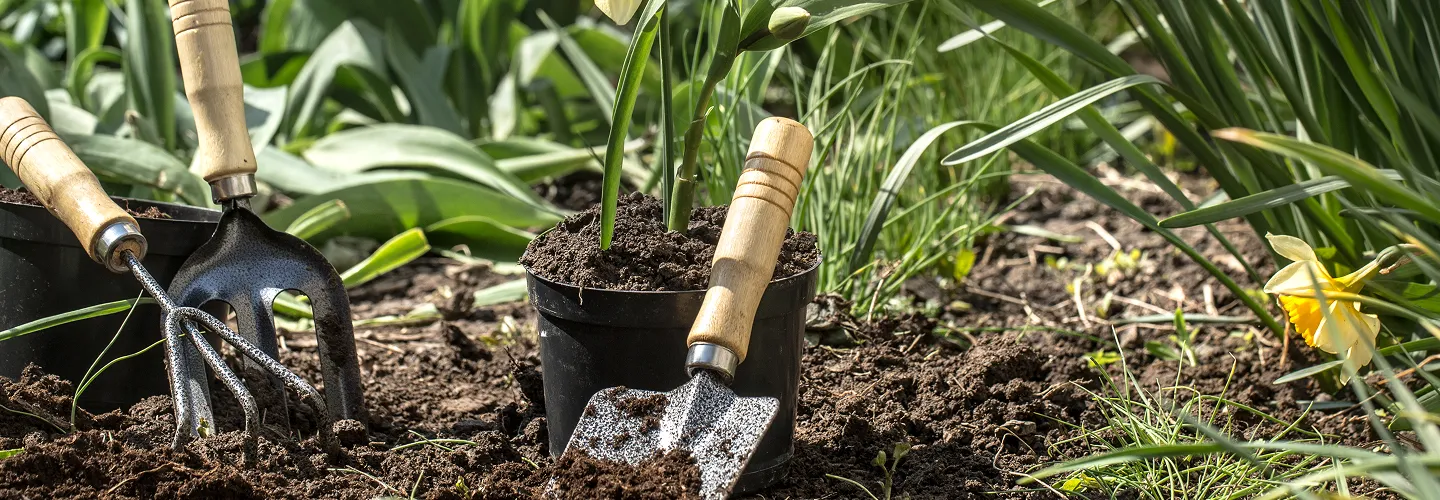
Lakeway Lawn Installation Services
Choose our expert lawn installation for a seamless, hassle-free transformation—enjoy a vibrant, healthy yard that boosts your home’s beauty and value, all backed by our commitment to quality and customer satisfaction.
Get a Free QuoteOur Lakeway Landscaping & Yard Care Services
When to Schedule Lawn Installation in Lakeway, Texas – Seasonal Guide
Choosing the right time for lawn installation in Lakeway, Texas is crucial for achieving a healthy, resilient yard. The region’s climate—marked by hot summers, mild winters, and variable rainfall—means that spring and early fall are generally the most favorable seasons for new sod or seed. In neighborhoods like Rough Hollow and The Hills, timing your installation to avoid the peak summer heat and late winter frosts can make a significant difference in root establishment and long-term lawn health.
Local environmental factors play a big role in determining the best installation window. For example, areas near Lake Travis may experience higher humidity and occasional fog, while properties closer to Hamilton Greenbelt might contend with dense shade and unique soil compositions. It’s also important to consider Lakeway’s average last frost date in early March and the potential for drought conditions in late summer. For more information on local climate and municipal guidelines, visit the official city resource.
Local Factors to Consider for Lawn Installation in Lakeway
- Tree density and shade coverage, especially in established neighborhoods
- Soil type and drainage, which can vary between lakeside and hilltop properties
- Seasonal precipitation patterns and drought risk
- Terrain slope and erosion potential
- Municipal watering restrictions and installation guidelines
- Proximity to landmarks like Lake Travis or Hamilton Greenbelt, which may affect microclimates
Benefits of Lawn Installation in Lakeway

Expert Lawn Installation
Premium Quality Sod
Efficient Project Completion
Customized Landscaping Solutions
Local Lakeway Experience
Sustainable Lawn Practices

Lakeway Lawn Installation Types

Sod Installation
-
Hydroseeding
-
Artificial Turf Installation
-
Native Grass Planting
-
Zoysia Grass Installation
-
Bermuda Grass Installation
-
Fescue Lawn Installation
Our Lawn Installation Process
Site Evaluation
Soil Preparation
Lawn Installation
Watering and Initial Care
Why Choose Lakeway Landscape Services

-
Lakeway Homeowners Trust Us
-
Expert Lawn Maintenance
-
Reliable Scheduling
-
Competitive Pricing
-
Professional Team
-
Satisfaction Guarantee
-
Personalized Service
Soil Series and Drainage Considerations for Lawn Installation in Lakeway
Lakeway’s predominant soils, as identified by the USDA Web Soil Survey, include Houston Black clay and Branyon clay loam, both of which are characterized by high clay content, slow permeability, and a tendency toward compaction. These soils typically exhibit pH values ranging from 7.2 to 8.0, requiring careful amendment for optimal turf establishment. For successful lawn installation, it is recommended to incorporate 2-3 inches of compost tilled to a 6-inch depth and to conduct a soil test through Texas A&M AgriLife Extension (typical cost: $15-25). Drainage improvements, such as installing French drains or grading for positive runoff, are often necessary in areas with seasonal water tables at 12-18 inches. Core aeration to a depth of 2-3 inches is advised for compaction relief.
Lakeway Public Works Department
1102 Lohmans Crossing Road, Lakeway, TX 78734
Phone: (512) 608-9000
Official Website: Lakeway Public Works Department
Seasonal Timing and Climate Zone Guidance for New Lawns in Lakeway
Lakeway is situated in USDA Hardiness Zone 8b, with average annual minimum temperatures of 15-20°F and a growing season typically spanning from mid-March through late November. The optimal window for cool-season grass seeding is September 1 to October 15, when soil temperatures are 60-75°F. Warm-season sod installation, such as bermudagrass or zoysiagrass, is best performed from April 15 to June 15, when soil temperatures exceed 65°F. Avoid installation during July and August due to heat stress and increased irrigation demand. For up-to-date weather and soil temperature data, consult the National Weather Service Austin/San Antonio Office. Key timing recommendations include:
- Spring seeding: April 15 - May 30 (soil temp 60-65°F)
- Fall seeding: September 1 - October 15
- Sod installation: April 15 - June 15
- Avoid: July-August (heat/drought risk)
Lakeway’s Stormwater Management and Environmental Compliance for Lawn Projects
Lawn installation in Lakeway must comply with local and state stormwater regulations to protect Lake Travis and area wetlands. The Lakeway Stormwater Management Program enforces MS4 permit requirements, including prohibiting soil, sod, or fertilizer runoff into storm drains. Maintain a 25-foot no-disturbance buffer from wetlands and a 50-foot setback from water bodies. The Texas Water Code and Clean Water Act require that no fertilizer or pesticide be applied within 50 feet of streams or lakes. Use biodegradable erosion control blankets on slopes and install silt fencing where runoff is possible. Key compliance steps:
- 25-foot wetland buffer
- 50-foot water body setback
- No clippings or soil in storm drains (MS4 compliance)
- Erosion controls on slopes >5%
Lakeway Environmental Protection Division
1102 Lohmans Crossing Road, Lakeway, TX 78734
Phone: (512) 314-7540
Official Website: Lakeway Environmental Protection Division
Texas Commission on Environmental Quality
12100 Park 35 Circle, Austin, TX 78753
Phone: (512) 239-1000
Official Website: Texas Commission on Environmental Quality
Equipment Operation Hours and Safety Standards for Lawn Installation in Lakeway
Lakeway enforces municipal noise ordinances for outdoor equipment operation. Permitted hours for lawn installation activities are:
- Monday-Friday: 7:00 AM - 7:00 PM
- Saturday: 8:00 AM - 6:00 PM
- Sunday and holidays: Prohibited All commercial operators must use equipment with functioning mufflers and maintain noise levels below 85 decibels at property lines. Personal protective equipment (PPE) is required, including ANSI Z87.1 safety glasses, hearing protection for noise above 85 dB, and steel-toed boots. When working within 15 feet of public roads or utilities, high-visibility vests and traffic cones are mandatory. For projects involving grading or significant soil disturbance, a permit from Lakeway Building & Development Services may be required, with typical review times of 5-10 business days and fees ranging from $50-$100.
Lakeway Building & Development Services
1102 Lohmans Crossing Road, Lakeway, TX 78734
Phone: (512) 314-7540
Official Website: Lakeway Building & Development Services
Selecting Turf Species and Soil Amendments for Lakeway’s Microclimate
Lakeway’s climate and alkaline clay soils require careful turf and amendment selection. Recommended turf species include:
- Bermudagrass (Cynodon dactylon): Drought-tolerant, full sun
- Zoysiagrass (Zoysia japonica): Heat-tolerant, moderate shade
- Buffalo grass (Bouteloua dactyloides): Native, low water use
- St. Augustinegrass (Stenotaphrum secundatum): Shade-tolerant, moderate water Soil amendments should address high pH and compaction. Apply elemental sulfur for pH above 7.5 (per soil test), and incorporate 2-3 inches of compost to improve structure. For detailed recommendations, consult Texas A&M AgriLife Extension. Spacing for sod rolls should be tight, with seams staggered and rolled for root contact. Water new installations to maintain 1 inch per week until established.
What Neighborhoods Do We Serve Throughout Lakeway, TX?
- Rough Hollow: Features sloped lots with shallow, rocky soils and proximity to Lake Travis, requiring erosion control and careful drainage planning for new lawns.
- The Hills of Lakeway: Characterized by mature landscaping, dense tree canopy, and HOA guidelines that may affect turf species selection and installation timing.
- Lakeway Highlands: Newer development with compacted fill soils and large lot sizes, often necessitating deep soil amendment and grading for proper drainage.
- Old Lakeway: Established area with heavy clay soils, older irrigation systems, and occasional access limitations due to narrow streets and mature trees.
- Flintrock Falls: Gated community with strict landscaping standards, well-drained soils, and proximity to golf course water features requiring buffer compliance.
- Serene Hills: Hilly terrain, exposed bedrock, and runoff concerns near greenbelts demand specialized installation techniques and erosion controls.
- Cardinal Hills: Mix of older and newer homes, variable soil conditions, and frequent deer activity influencing turf selection and maintenance practices.